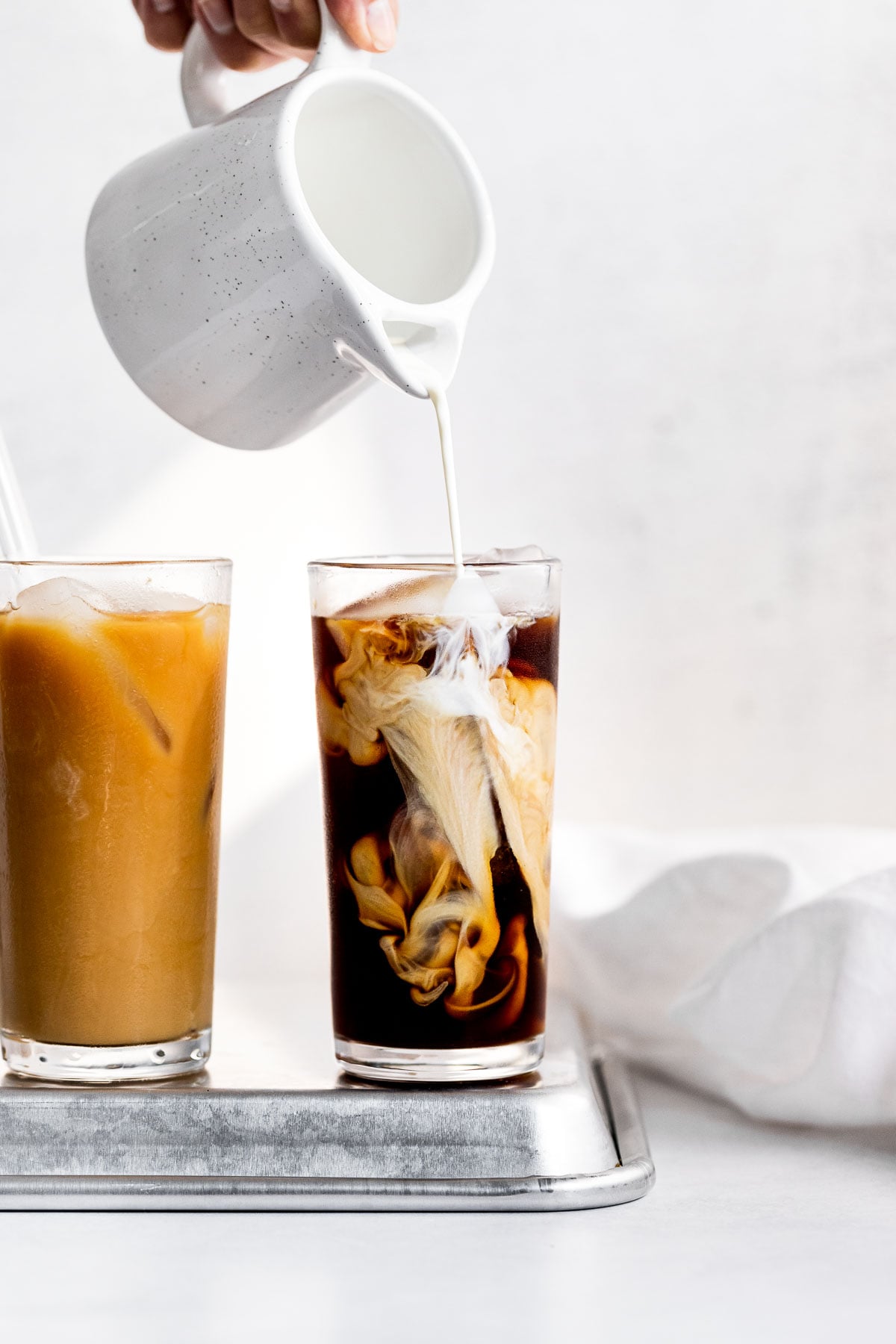
Cold Brew Coffee: Smooth, Low-Acid, & Better Than Iced Coffee
Imagine a coffee experience that’s consistently smooth, never bitter, and naturally sweet, designed to refresh you on the hottest summer day yet equally comforting through the chillier months. This isn't just a dream; it's the reality of cold brew coffee. Far from being just hot coffee poured over ice, cold brew is a distinct and superior method that unlocks a rich, nuanced flavor profile. If you're tired of watered-down iced coffee or spending a fortune at your local café, it’s time to discover the magic of making cold brew coffee at home.
This comprehensive guide will demystify the process, turning you into a cold brew connoisseur in no time. From selecting the perfect beans to understanding the crucial grind size and simple brewing techniques, we'll equip you with everything you need to craft delicious, low-acid cold brew that truly elevates your coffee game.
What Makes Cold Brew Coffee Different (and Better) Than Iced Coffee?
The fundamental difference between cold brew and traditional iced coffee lies in their brewing methods and, consequently, their flavor profiles.
Iced coffee is typically hot-brewed coffee that is then cooled and poured over ice. While convenient, this method often leads to several drawbacks:
- Increased Bitterness: Hot water extracts more oils and acids from coffee grounds, which can lead to a more bitter taste, especially as it cools.
- Rapid Dilution: Pouring hot coffee over ice causes immediate melting, diluting the flavor and resulting in a weaker, watery drink.
- Higher Acidity: The hot brewing process extracts more acidic compounds, which can be harsh on sensitive stomachs.
Cold brew coffee, on the other hand, embraces a patient, gentle extraction method:
- Slow, Cold Steep: Coarsely ground coffee beans are steeped in cold or room-temperature water for an extended period, typically 12 to 24 hours. This slow, low-temperature process prevents the extraction of bitter compounds and harsh acids.
- Naturally Sweet & Smooth: The result is a remarkably smooth, mellow, and naturally sweet coffee with a lower acidity level. You'll often detect rich flavor notes of chocolate, caramel, and even subtle fruity undertones.
- Less Dilution: Since cold brew is already cold, it doesn't melt ice as quickly, ensuring a longer-lasting, undiluted flavor experience. Even as the ice melts, the intense concentrate maintains its robust character.
- Higher Caffeine Content (Often): Because it's often made as a concentrate, cold brew can have a higher caffeine content per serving, though this can be adjusted by dilution.
In essence, cold brew is a superior base for any iced coffee drink, offering a richer flavor and smoother texture that simply can't be achieved with hot-brewed coffee poured over ice.
Why You Should Be Making Cold Brew Coffee at Home
Beyond its superior taste and lower acidity, brewing your own cold brew at home offers a plethora of practical benefits:
- Cost-Effective: Daily café visits for specialty cold brew can quickly add up. Making it yourself significantly reduces your coffee expenses.
- Customizable Strength & Flavor: You have complete control over the coffee-to-water ratio, steeping time, and bean selection, allowing you to tailor the brew precisely to your taste preferences.
- Quality Control: Choose your favorite beans, ensure freshness by grinding just before brewing, and use filtered water for the purest taste. You dictate the quality from start to finish.
- Convenience: Prepare a batch on Sunday, and you'll have ready-to-drink, delicious cold brew concentrate available in your fridge for up to two weeks. It's the ultimate grab-and-go coffee solution for busy mornings.
- Versatile Base: Cold brew is an excellent foundation for a wide array of drinks—from simple iced coffee to elaborate lattes, flavored concoctions, and even cocktails.
The Essentials of How to Make Cold Brew Coffee
Mastering how to make cold brew coffee is surprisingly simple and doesn't require any professional barista equipment. Here's a breakdown of the key components:
Choosing Your Beans Wisely
The quality of your cold brew starts with your beans. While you can technically cold brew any coffee, certain choices enhance the experience:
- Arabica Beans: Generally preferred for their smoother, more nuanced, and aromatic flavor profile compared to Robusta beans.
- Medium to Dark Roasts: These roasts tend to develop rich, bold flavors like chocolate, caramel, and nutty notes that translate beautifully in cold brew. Lighter roasts can also be used for a brighter, more acidic cold brew, so don't hesitate to experiment!
- Freshly Roasted Beans: Always opt for freshly roasted beans. The difference in aroma and flavor is undeniable. Check for roast dates on the packaging.
- Buy Whole Beans: For maximum freshness and flavor preservation, purchase whole beans and grind them just before brewing.
For a deeper dive into selecting the perfect beans and understanding their impact on your brew, check out our guide on
Secrets to Perfect Cold Brew: Beans, Grind, & Brewing Ratios.
The Crucial Grind Size
This is perhaps the most critical factor after bean quality. For cold brew, a
coarse grind is absolutely essential.
- Why Coarse? A coarse grind prevents over-extraction, which can lead to bitterness. It also facilitates smoother filtration, preventing your filter from clogging and your coffee from becoming muddy.
- Visual Reference: Think of coarse sea salt, breadcrumbs, or roughly ground peppercorns. It should not be powdery or fine like espresso grind.
- Avoid Fine Grinds: Fine grounds expose too much surface area to the water, leading to over-extraction and a bitter, astringent taste. They also make filtration incredibly difficult, often resulting in cloudy coffee.
- Tools: A burr grinder is highly recommended over a blade grinder. Burr grinders produce a uniform particle size, ensuring even extraction. Blade grinders "chop" beans, creating an inconsistent mix of fine and coarse particles.
Simple Equipment You'll Need
You don't need a dedicated cold brew maker, though they can be convenient. Most likely, you already have what you need:
- Large Jar or Pitcher: Any non-reactive container with a lid will work. A Mason jar, a glass pitcher, or a French press are all suitable.
- Coarse Ground Coffee: Freshly ground from your chosen whole beans.
- Filter: A fine-mesh sieve lined with cheesecloth, a nut milk bag, or even paper coffee filters (though these can be slow).
- Digital Kitchen Scale (Optional, but Recommended): For precise measurements of coffee and water, ensuring consistent results.
Mastering the Coffee-to-Water Ratio
The ratio of coffee to water dictates the strength and concentration of your final brew.
- Strong Concentrate (1:4): 1 part coffee to 4 parts water. This will produce a very potent concentrate that needs significant dilution before drinking.
- Balanced Brew (1:6): 1 part coffee to 6 parts water. A popular starting point that yields a strong, yet approachable concentrate.
- Ready-to-Drink (1:8 or 1:10): 1 part coffee to 8 or 10 parts water. This ratio produces a brew that often doesn't require further dilution, perfect for immediate enjoyment.
We recommend starting with a
1:6 ratio (e.g., 100g coffee to 600ml water). This offers a robust concentrate that's easy to dilute to your preference. Remember, you can always dilute a strong brew, but you can't strengthen a weak one!
The Step-by-Step Cold Brew Method
Now that you have your ingredients and equipment ready, let's get to the simple steps of how to make cold brew coffee:
- Grind Your Beans (Coarsely!): Measure out your whole coffee beans according to your chosen ratio and grind them coarsely just before you begin.
- Combine Coffee and Water: Place your coarse coffee grounds into your chosen brewing vessel (jar, pitcher, etc.). Slowly pour cold, filtered water over the grounds, ensuring they are all thoroughly saturated. Stir gently to make sure there are no dry spots.
- Steep Away: Cover your vessel and let it steep. You can steep it at room temperature (which can result in a slightly faster, more intense extraction) or in the refrigerator (for a slower, smoother process). The ideal steeping time is generally 12 to 24 hours. For your first batch, aim for 16-18 hours and adjust for future brews based on your taste. Longer steeps yield stronger coffee, but going beyond 24 hours can introduce unwanted bitterness.
- Strain Your Brew: Once steeping is complete, it's time to separate the grounds from your liquid gold. Line a fine-mesh sieve with cheesecloth or use a nut milk bag over a large bowl or pitcher. Slowly pour the steeped coffee mixture through the filter. Avoid squeezing the grounds, as this can force fine particles through and make your cold brew cloudy or bitter. For an extra clean brew, you can perform a second filtration through a paper filter.
- Dilute (If Necessary) & Serve: If you made a concentrate (e.g., 1:4 or 1:6 ratio), you'll need to dilute it. A common starting point is 1 part cold brew concentrate to 1-2 parts water, milk, or your favorite dairy-free alternative. Adjust to taste. Serve over ice and enjoy!
- Store Properly: Transfer your finished cold brew to an airtight container and store it in the refrigerator. It will stay fresh and delicious for up to two weeks.
For those who prefer a more visual or simplified approach, our article
Master Homemade Cold Brew Coffee: An Easy Guide for Beginners offers another excellent resource.
Tips for Perfecting Your Homemade Cold Brew
Beyond the basic steps, these insights can help you elevate your cold brew game:
- Use Filtered Water: Tap water can contain impurities that affect flavor. Filtered water provides a clean slate for the coffee flavors to shine.
- Experiment with Steeping Times: Don't be afraid to experiment. A 12-hour steep might give you a lighter, fruitier brew, while a 20-hour steep could yield a bolder, richer concentrate.
- Cleanliness Matters: Ensure all your equipment is clean to prevent off-flavors and maintain freshness.
- Double Filter if Needed: If your cold brew isn't as clear as you'd like, consider a second filtration using a paper coffee filter (though this takes more time).
- Consider Your Water Temperature: While "cold brew" implies cold water, some find steeping at room temperature for the initial few hours before refrigerating can enhance extraction.
Creative Ways to Enjoy Your Cold Brew
Your delicious homemade cold brew is incredibly versatile:
- Classic Iced Coffee: Simply pour over ice, diluted to your preference.
- Iced Lattes: Combine with milk or a dairy-free alternative and a touch of sweetener (simple syrup, honey, maple syrup).
- Flavored Cold Brews: Add a dash of vanilla extract, a sprinkle of cinnamon, or a pump of your favorite flavored syrup.
- Cold Brew Smoothies: Blend with banana, protein powder, and milk for a caffeinated breakfast or snack.
- Cocktails: Use it as a base for adult beverages like espresso martinis or creative coffee cocktails.
- Cooking & Baking: Incorporate cold brew into marinades, chili, or chocolate desserts for an extra layer of rich flavor.
Conclusion
Cold brew coffee is more than just a trend; it's a superior way to enjoy coffee, offering unparalleled smoothness, lower acidity, and a rich, complex flavor profile that simply can't be matched by traditional iced coffee. By understanding the simple science behind its creation—the coarse grind, the slow cold steep, and the right ratios—you're empowered to create café-quality cold brew right in your own kitchen.
Embrace the satisfying ritual of brewing your own, and you'll soon wonder how you ever lived without this refreshing, cost-effective, and utterly delicious beverage. So, gather your beans, set your timer, and prepare to embark on a delightful journey into the world of homemade cold brew. Your taste buds will thank you!