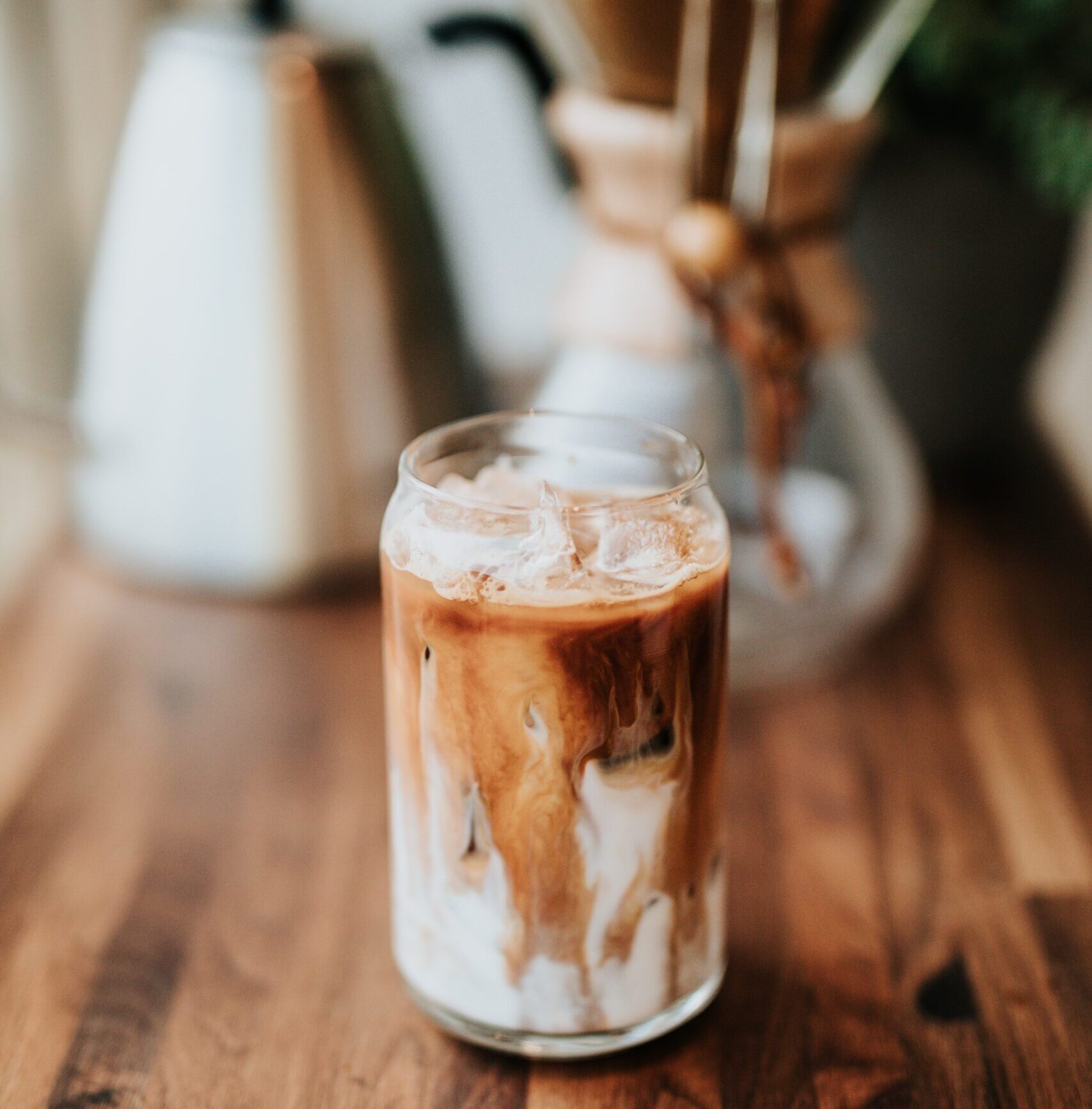
Cold brew coffee has transcended its status as a mere summer drink to become a year-round staple for coffee aficionados. Its signature smoothness, low acidity, and naturally sweet profile offer a stark contrast to traditional hot-brewed coffee poured over ice. If you've ever savored a perfectly crafted cold brew from your favorite cafe and wondered, "how to make cold brew coffee like that at home?", you're in the right place. Unlocking the secrets to an exceptional homemade cold brew doesn't require complex machinery or barista training, but rather a keen understanding of three fundamental pillars: the beans you choose, the way you grind them, and the ratios you employ during brewing. This comprehensive guide will equip you with the knowledge to consistently produce a rich, mellow, and perfectly balanced cold brew that rivals any cafe creation.
Why Cold Brew Reigns Supreme: The Smooth, Low-Acid Difference
Many people confuse cold brew with iced coffee, but the two are fundamentally different, offering distinct flavor profiles and experiences. Iced coffee is typically hot-brewed coffee that is then chilled and poured over ice, a process that can often lead to dilution, increased bitterness, and a thin body. Cold brew, however, is a slow extraction method where coarsely ground coffee steeps in cold or room temperature water for an extended period, usually 12 to 24 hours.
This gentle, time-intensive process is key to its unique characteristics:
- Lower Acidity and Bitterness: Cold water extracts fewer of the acidic compounds and bitter oils that hot water does. The result is a naturally sweet, mellow brew that's much easier on the stomach and palate.
- Smooth, Rich Flavor: Without the harshness, the true flavor notes of the coffee beans can shine through—think luscious chocolate, sweet caramel, and vibrant fruity tones.
- Concentrated Goodness: Cold brew often produces a concentrate that's highly versatile. It can be diluted with water, milk, or ice without losing its robust flavor, ensuring a long-lasting, undiluted iced coffee experience.
- Convenience and Cost-Effectiveness: Brewing at home means a ready supply of delicious coffee without the daily cafe expense. Plus, you have complete control over strength, flavor, and ingredients, opening up a world of customizable drinks from lattes to flavored cold brews.
Embracing cold brew is about more than just a chilled beverage; it's about a superior coffee experience that's kinder to your palate and pocket. For a deeper dive into why cold brew stands out, explore our guide on Cold Brew Coffee: Smooth, Low-Acid, & Better Than Iced Coffee.
The Foundation: Choosing the Right Beans for Your Brew
The journey to perfect cold brew begins, quite literally, at the source: your coffee beans. Not all beans are created equal when it comes to the cold brewing process, and selecting the right ones can dramatically elevate your final cup.
1. Bean Type and Origin
- Arabica Beans: These are overwhelmingly recommended by baristas and coffee experts for cold brew. Arabica beans are renowned for their complex, nuanced, and smoother flavor profiles compared to Robusta beans, which tend to be more bitter and higher in caffeine. While Robusta can add a caffeine kick, it often detracts from the smooth, mellow character we seek in cold brew.
- Origin Notes: While not a strict rule, certain bean origins lend themselves beautifully to cold brew. For instance, Brazilian beans often offer rich chocolate and nutty notes that thrive in a cold extraction. Ethiopian beans might introduce a pleasant fruity brightness, while Central American varieties can bring balanced sweetness and body. Experiment with different single-origin beans to discover your personal favorites.
2. Roast Level: Medium to Dark is Key
When considering how to make cold brew coffee that's rich and full-bodied, the roast level plays a pivotal role. Medium to dark roasts are generally preferred for cold brew for several reasons:
- Enhanced Flavor Depth: These roasts develop desirable chocolate, caramel, and nutty notes that are perfect for cold extraction. The longer roasting time allows these flavors to fully emerge, creating a robust base that stands up well to dilution.
- Lower Acidity: Darker roasts naturally have lower acidity than lighter roasts, aligning perfectly with cold brew's inherently low-acid profile.
- Avoid Light Roasts: While delicious for pour-overs or espresso, very light roasts can sometimes produce a cold brew that tastes a bit too bright, grassy, or even sour, as their delicate acidic notes might not translate well through cold extraction.
3. Freshness is Non-Negotiable
Regardless of bean type or roast, freshness is paramount. Always opt for:
- Freshly Roasted Beans: Look for a roast date on the packaging and try to use beans within 2-4 weeks of roasting. This ensures maximum flavor and aroma.
- Whole Beans: Purchase whole beans and grind them just before brewing. Pre-ground coffee loses its volatile aromatic compounds much faster, resulting in a duller, less vibrant cold brew.
- Proper Storage: Store your whole beans in an airtight container, away from light, heat, and moisture, to preserve their integrity.
Grind Matters: The Crucial Role of Particle Size
After selecting your premium beans, the next critical step in mastering how to make cold brew coffee is achieving the correct grind size. This is perhaps one of the most overlooked yet impactful variables in cold brewing, determining everything from flavor extraction to the ease of filtration.
The "Why" of a Coarse Grind
For cold brew, a coarse grind is absolutely essential. Here’s why:
- Prevents Over-Extraction and Bitterness: Cold brewing involves a long steeping time. Fine grounds have a much larger surface area, leading to rapid over-extraction of bitter compounds if steeped for too long. A coarse grind slows down this process, allowing for a balanced, smooth extraction.
- Ensures Smooth Filtration: Fine particles can easily clog filters, making the straining process messy, slow, and potentially leaving sediment in your final brew. Coarse grounds separate easily from the liquid, allowing for clean filtration.
- Texture Analogy: Think of a coarse grind as having a texture similar to sea salt, coarse cornmeal, or even fine breadcrumbs. It should be visibly chunky, not powdery like espresso grind or even granular like drip coffee grind.
The "How" to Achieve the Perfect Grind
- Invest in a Burr Grinder: This is a non-negotiable tool for any serious coffee enthusiast, especially for cold brew. Burr grinders crush coffee beans between two abrasive surfaces, producing a remarkably consistent particle size. Uniformity is key because it ensures that all coffee particles extract at roughly the same rate, leading to a balanced flavor.
- Avoid Blade Grinders: Blade grinders, which operate more like blenders, chop and shatter beans haphazardly. This results in an inconsistent mix of fine dust and large chunks (known as "boulders" and "fines"). The fines will over-extract and lead to bitterness, while the boulders will be under-extracted, resulting in a weak, imbalanced brew.
- Grind Just Before Brewing: As with selecting fresh whole beans, grinding immediately before you begin the cold brew process preserves the delicate aromatics and flavors. Once ground, coffee starts to rapidly oxidize and lose its desirable characteristics.
Mastering the Ratios & Steeping: Your Blueprint for Flavor
With your ideal beans and perfectly coarse grind ready, it's time to bring them together with water. The magic of cold brew lies in the precise dance between coffee quantity, water volume, and steeping duration. This is where you truly take control over how to make cold brew coffee that matches your personal taste.
1. Water Quality Matters
Just as important as your coffee is your water. Since cold brew is about 98% water, using filtered water free of chlorine and off-flavors is crucial. This allows the coffee's true flavors to shine without interference.
2. Coffee to Water Ratios: Crafting Your Concentration
The coffee-to-water ratio is paramount, dictating the strength and versatility of your cold brew. Cold brew is often made as a concentrate, which you then dilute to your preferred strength. Ratios are typically expressed as coffee weight (grams) to water volume (grams or milliliters).
- Strong Concentrate (1:4): This ratio (e.g., 250g coffee to 1000ml water) yields a very potent concentrate, ideal for those who love a bold coffee flavor, especially when diluting with a lot of milk, cream, or ice. It provides the most flexibility for dilution.
- Balanced Concentrate (1:6): A popular starting point (e.g., 200g coffee to 1200ml water). This produces a robust concentrate that can be diluted for a smooth, rich cup, offering a great balance between strength and flavor. It's often recommended for beginners.
- Ready-to-Drink (1:8): If you prefer a less concentrated brew that's almost ready to pour over ice without much dilution (e.g., 150g coffee to 1200ml water), this ratio is a good option. It will be less versatile for creating strong lattes but perfect for a quick, milder iced coffee.
Recommendation: Start with a 1:6 ratio. This provides a versatile concentrate that you can easily dilute to taste. If it's too strong, add more water or milk. If it's too weak, try a 1:5 or 1:4 ratio next time. Remember, a digital kitchen scale is highly recommended for accuracy, especially when dealing with ratios.
Example Dilution: If you make a 1:6 concentrate, you might typically dilute it with an equal part water or milk (1:1 concentrate to diluent) to achieve a ready-to-drink strength, effectively making it a 1:12 strength. Experiment to find your sweet spot!
3. Steeping Time & Temperature: The Slow Extraction
- Steeping Time (12-24 hours): This is the core of cold brewing. Generally, 12-18 hours will yield a good, balanced extraction. Longer times, up to 24 hours, will result in a stronger, more intense concentrate. Exceeding 24 hours can sometimes lead to undesirable bitter notes, even with cold water, as some compounds might eventually over-extract.
- Brewing Temperature (Cold or Room Temp):
- Refrigerator Brewing: Steeping in the fridge (cold water) offers a slower, more controlled extraction, typically resulting in a smoother, slightly sweeter brew. It might require the full 18-24 hours.
- Room Temperature Brewing: Steeping on the counter (room temperature water) will speed up extraction slightly, often achieving a similar result in 12-16 hours. Some find it produces a slightly bolder flavor.
Practical Tip: Experiment! Brew one batch in the fridge and one at room temperature, using the same beans and ratio, and compare the results. You might discover a subtle preference. The beauty of homemade cold brew is this level of customization.
4. Basic Equipment for Brewing
You don't need much to get started, just a few essentials:
- Large Container: A mason jar, pitcher, French press, or a dedicated cold brew maker.
- Coarse Ground Coffee: Freshly ground from your burr grinder.
- Filtration Method: A fine-mesh sieve lined with cheesecloth, a nut milk bag, or even a paper coffee filter (though this can be slow).
- Digital Kitchen Scale: Essential for accurate ratios.
For a detailed, step-by-step guide on the complete brewing process, including filtration and storage, be sure to check out our comprehensive article on Master Homemade Cold Brew Coffee: An Easy Guide for Beginners.
Mastering cold brew is an art form that's surprisingly accessible. By paying close attention to the quality of your beans, achieving the perfect coarse grind, and understanding how to manipulate brewing ratios and steeping times, you unlock the full potential of this smooth, rich, and naturally sweet beverage. The journey to perfect cold brew is a delicious one, full of experimentation and rewarding sips. So go ahead, put these secrets into practice, and elevate your home coffee experience. Your perfect glass of cold brew awaits!
